Endoscopy
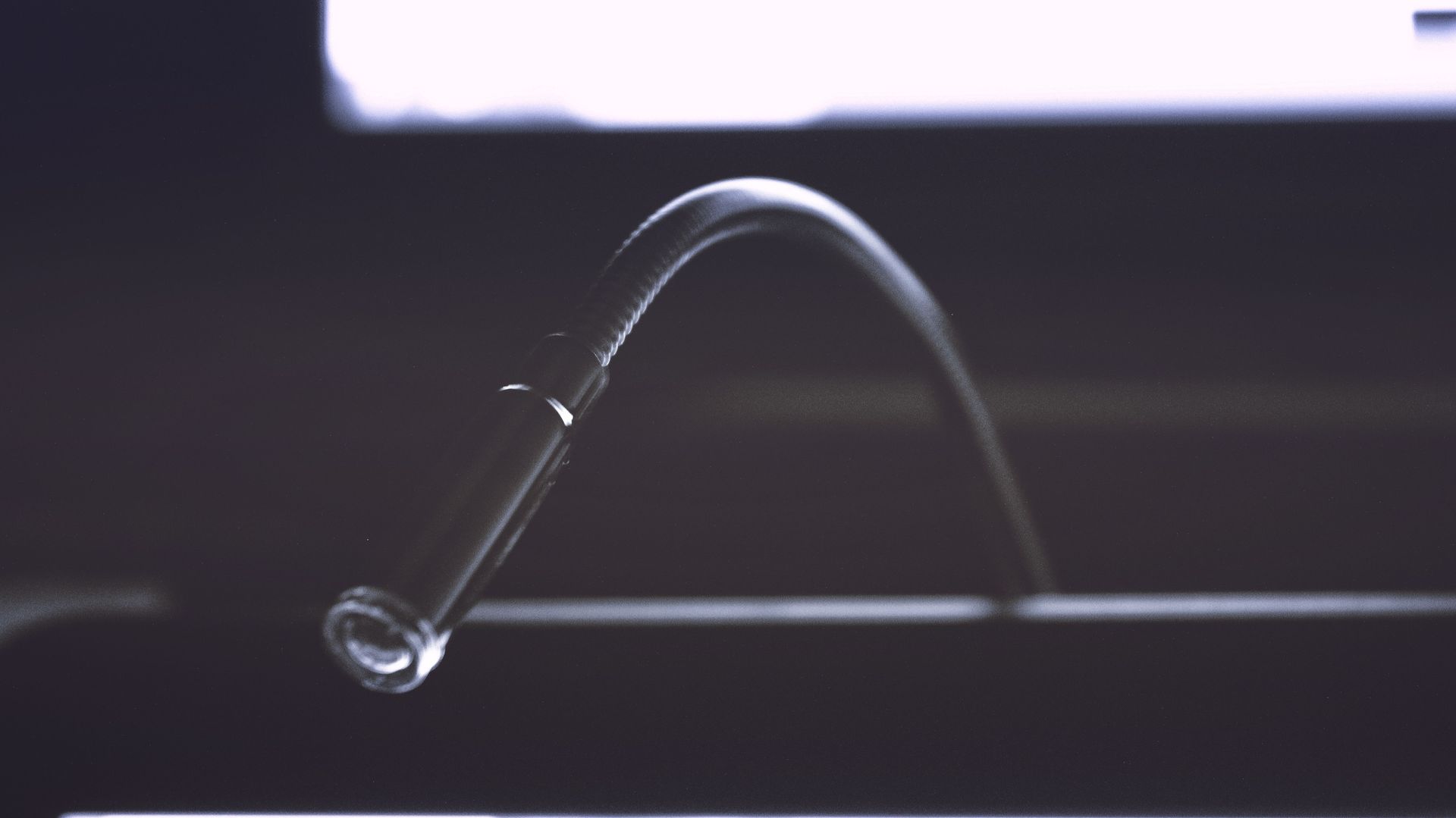
Endoscopy is a medical technique that allows exploration of the inside of your pet's body using a small camera placed at the end of a flexible or rigid tube.
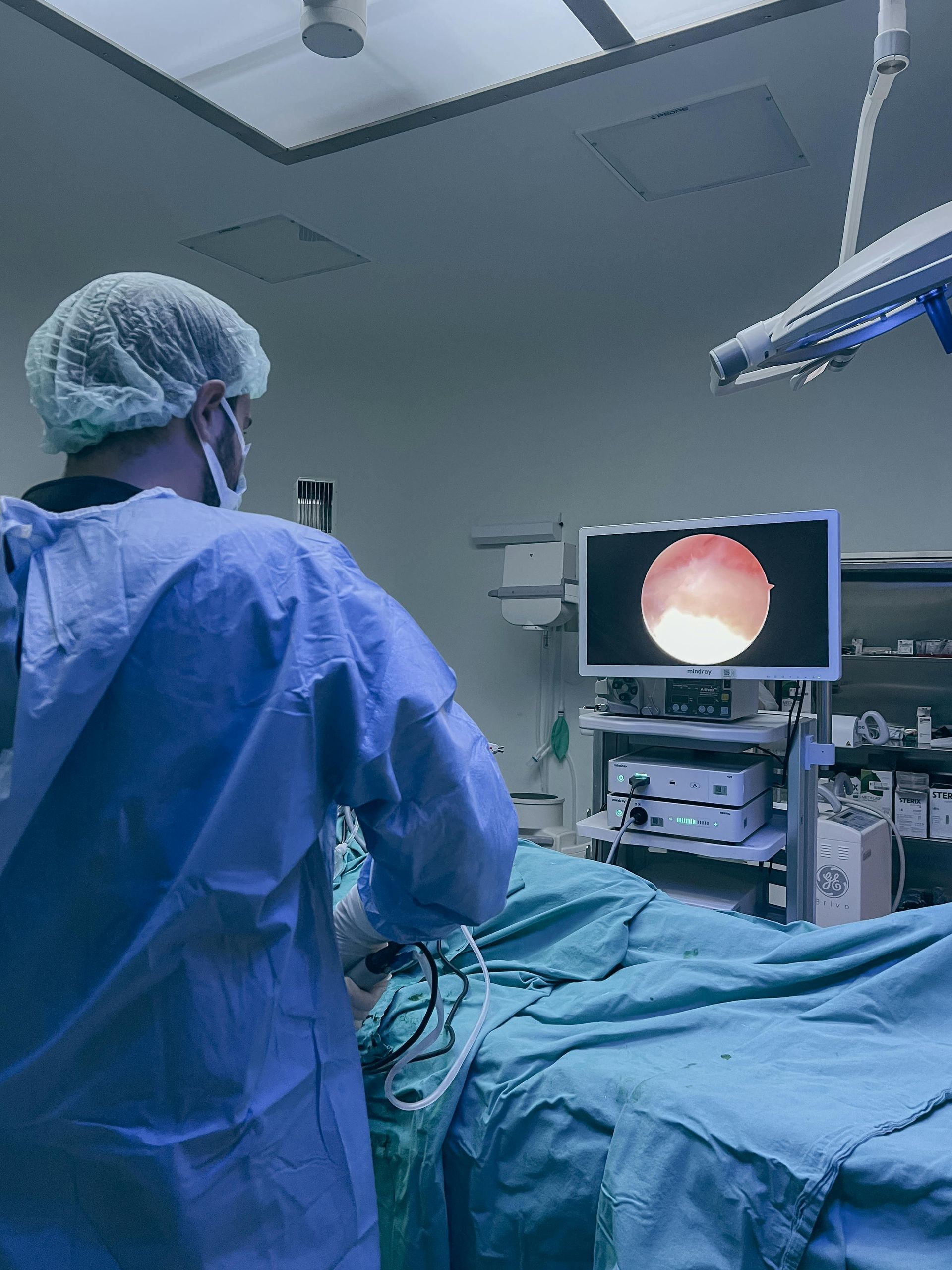
This camera transmits images in real time, giving the veterinarian a direct view of the mucous membranes of different organs (nose, trachea, lungs, esophagus, stomach, intestine, bladder).
In addition to exploration, endoscopy allows for:
- to perform targeted sampling (biopsies) without open surgery,
- to remove certain foreign bodies stuck in the stomach, esophagus or respiratory tract,
- to perform certain minimally invasive therapeutic procedures.
It is a modern, precise and minimally invasive method, which improves both the comfort of the animal and the quality of the diagnosis.
Why and when should an endoscopy be offered?
Endoscopy is used when conventional examinations (X-rays, ultrasound, blood tests) are insufficient to explain your pet's symptoms. It provides a direct view and allows for a quick understanding of what is happening internally, while avoiding major surgery.
We particularly recommend it in the following situations:
- Chronic digestive problems: recurrent vomiting, persistent diarrhea, unexplained weight loss
- Suspicion of polyps, ulcers, digestive masses or chronic inflammation
- Ingestion or suspected ingestion of a foreign body (toy, bone, needle, string…)
- Chronic breathing difficulties: sneezing, persistent cough, unusual nasal discharge
- Suspicion of urinary stones or recurrent urinary tract infections
Endoscopy can therefore be both diagnostic (identify a precise cause) and therapeutic (remove a foreign body or perform a lavage).
How does the exam work?
- Prior consultation: a complete clinical examination is performed to confirm the indication for endoscopy.
- Animal preparation: The animal must be fasted from the evening before (water is usually removed the morning of the examination). This reduces anesthetic risks and allows for better visualization of the digestive organs. For colonoscopy, preparation requires hospitalization 24 hours prior.
- General anesthesia is mandatory: the endoscope cannot be used on an awake animal. Anesthesia ensures immobility, respiratory safety, and protection of the mucous membranes.
- Targeted exploration: depending on the area to be studied (nose, trachea, lungs, esophagus, stomach, intestine, bladder), the endoscope is introduced to directly visualize the internal tissues.
- Biopsies or extraction: if necessary, small instruments are passed through the endoscope channel to perform sampling or remove a foreign body.
- Post-anesthetic monitoring: the animal is closely monitored until it wakes up and, in most cases, it can go home the same day.
Lorem ipsum dolor sit amet, consectetuer adipiscing elit. Aenean commodo ligula eget dolor. Aenean massa. Cum sociis natoque penatibus et magnis dis parturient montes, nascetur ridiculus mus. Donec qu